27 Small Garden Ideas 2026
A small garden in 2026 feels like a personal retreat where smart layout meets soft greenery and calm textures. I focus on making every inch intentional, blending practical planting with inviting seating and clean pathways. Compact spaces become layered, cozy, and visually rich without feeling crowded. With thoughtful choices in materials, lighting, and plant combinations, even the smallest outdoor area can feel balanced, fresh, and quietly luxurious throughout every season.
1. Raised Bed Greenery with Stepping Path
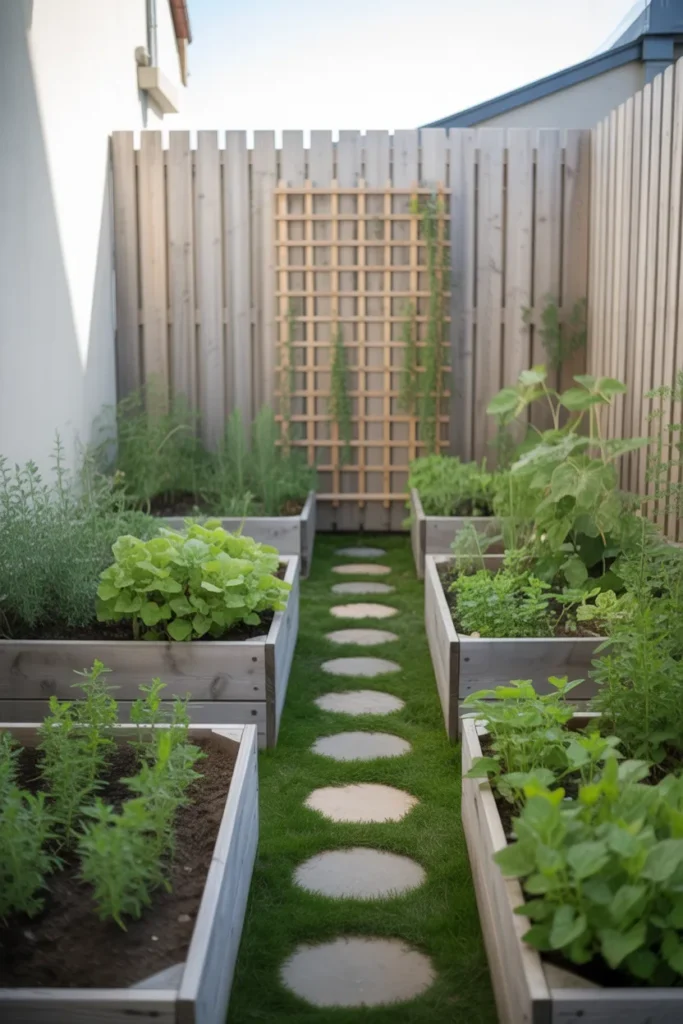
I like arranging raised beds in clean rows to create structure while keeping planting accessible. The combination of leafy greens and herbs brings variety in texture and color, making the space feel alive. A narrow stepping path between beds adds rhythm and movement, guiding the eye naturally through the garden while keeping the soil undisturbed.
Using vertical trellises against fences helps maximize planting without crowding the ground. I often mix trailing plants with upright growers to create depth in a small footprint. This layered approach turns a simple garden into a productive and visually balanced space that feels both organized and inviting throughout the growing season.
2. Front Yard Symmetry with Green Pathway
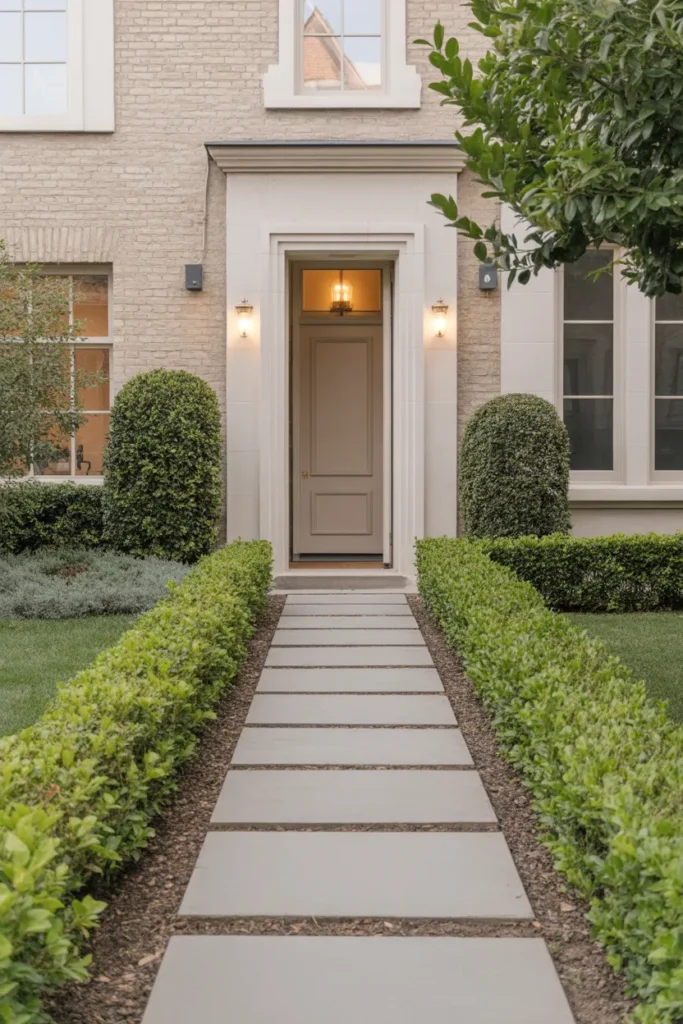
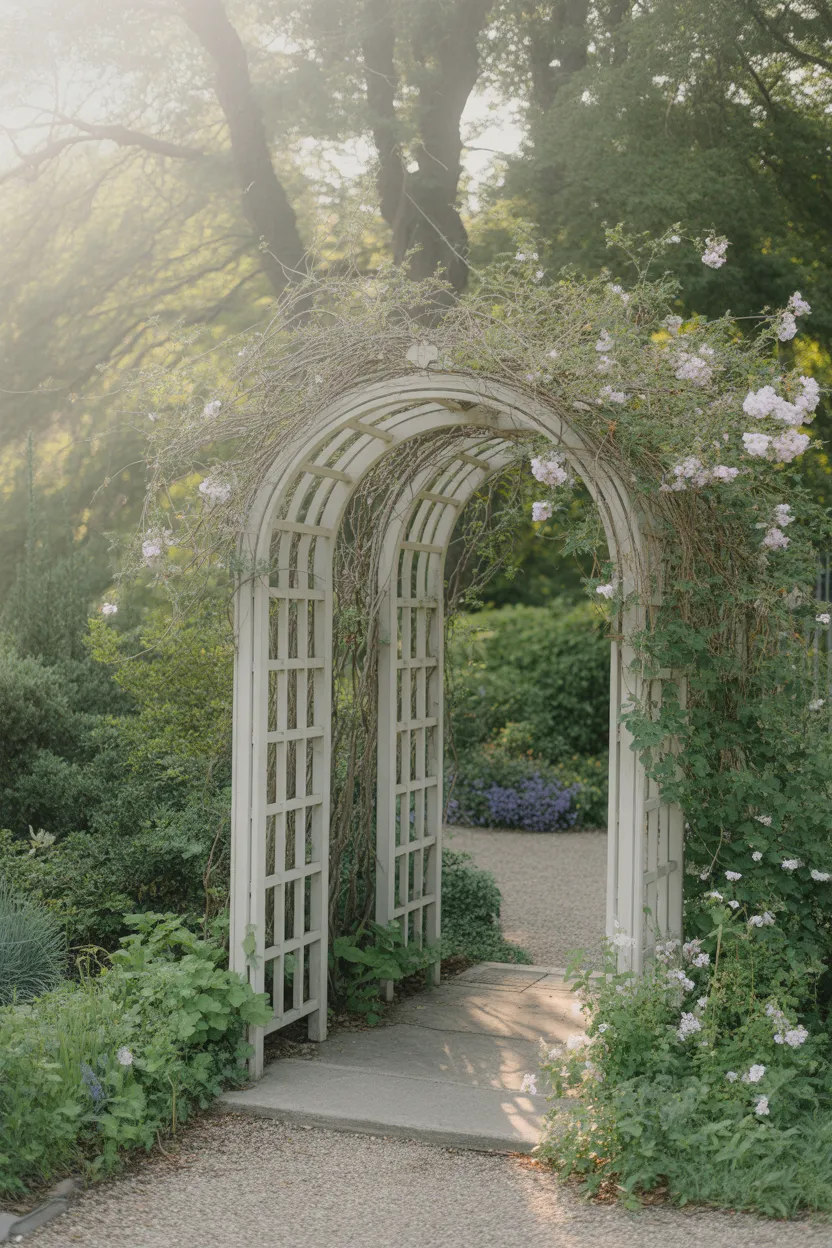
I find symmetry incredibly effective in front gardens because it instantly creates a polished look. Matching hedges on either side of a straight path make the space feel structured and calm. Even with limited space, this layout creates a strong first impression while keeping maintenance simple and manageable.
Adding soft lighting near the entrance enhances the design in the evening. I prefer warm tones that highlight greenery without overpowering it. This balance between structure and softness creates a welcoming entrance that feels both modern and timeless, especially for smaller homes needing visual impact.
3. Cozy Corner Seating with Layered Plants
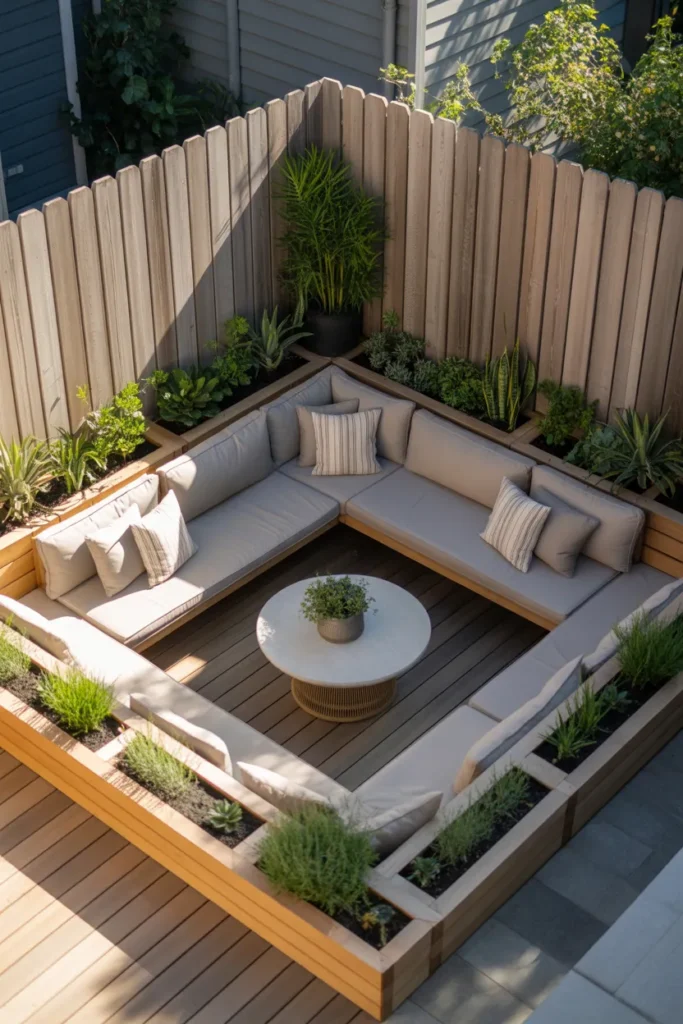
I enjoy transforming unused corners into cozy seating areas that feel private and relaxing. Wrapping seating along two sides makes the most of limited space while leaving room for plants to soften the edges. The mix of cushions and greenery creates a comfortable, lived-in feeling without clutter.
Layering plants at different heights adds depth and makes the space feel larger than it is. I often combine leafy plants with structured shrubs to create contrast. This setup turns a simple corner into a functional outdoor living area perfect for quiet mornings or evening relaxation.
4. Modern Minimal Garden with Clean Lines
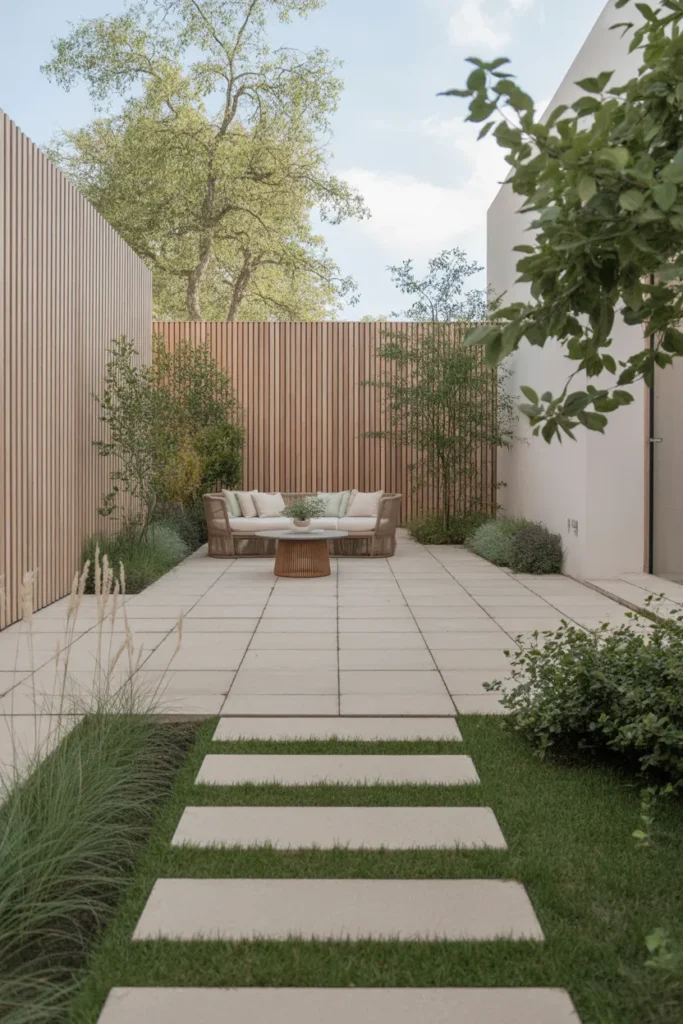
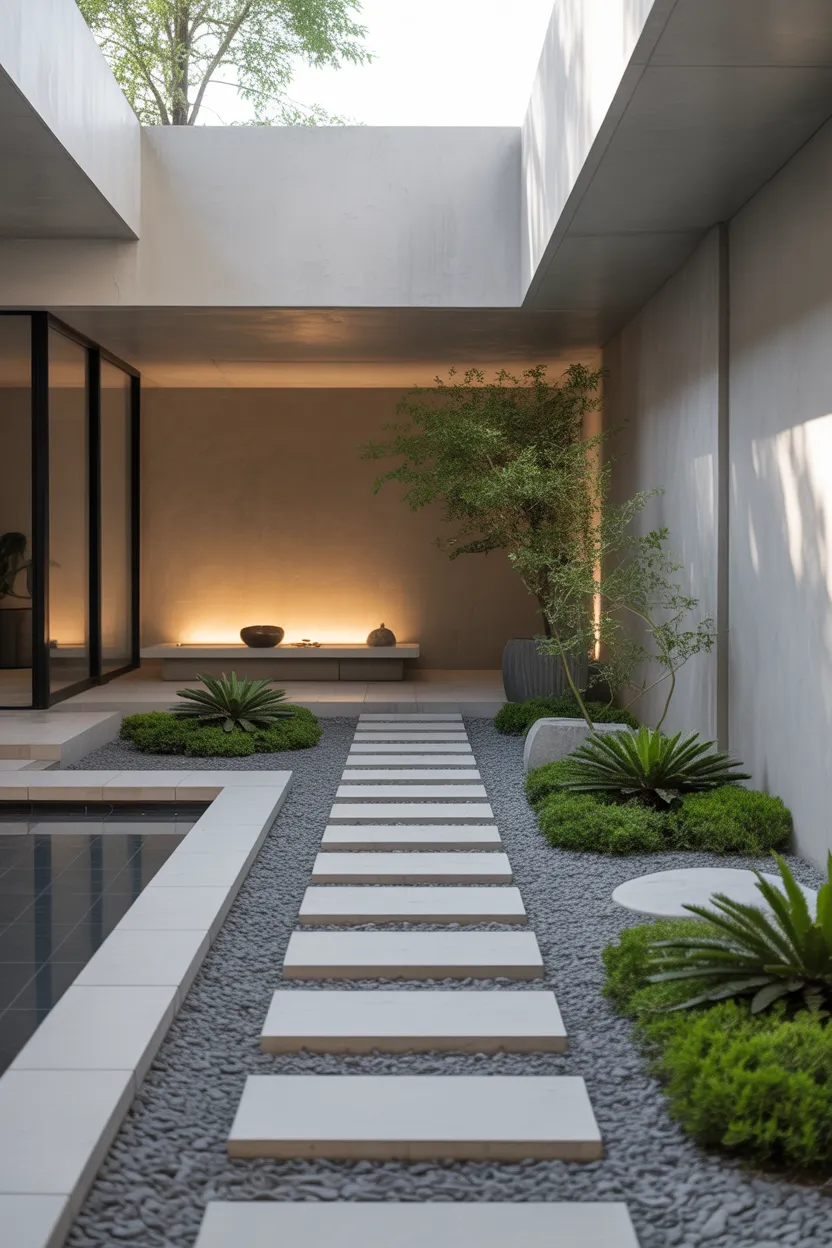
I lean toward clean lines when designing a modern small garden because it keeps the space feeling open. Large pavers reduce visual clutter and create a strong foundation for the layout. Narrow planting strips soften the edges without overwhelming the design, keeping everything balanced.
Choosing a limited palette of materials helps maintain a calm atmosphere. I often mix stone, wood, and greenery for a timeless combination. This approach creates a space that feels refined yet easy to maintain, making it perfect for anyone who prefers simplicity with subtle elegance.
5. Narrow Garden with Stepping Stones and Gravel
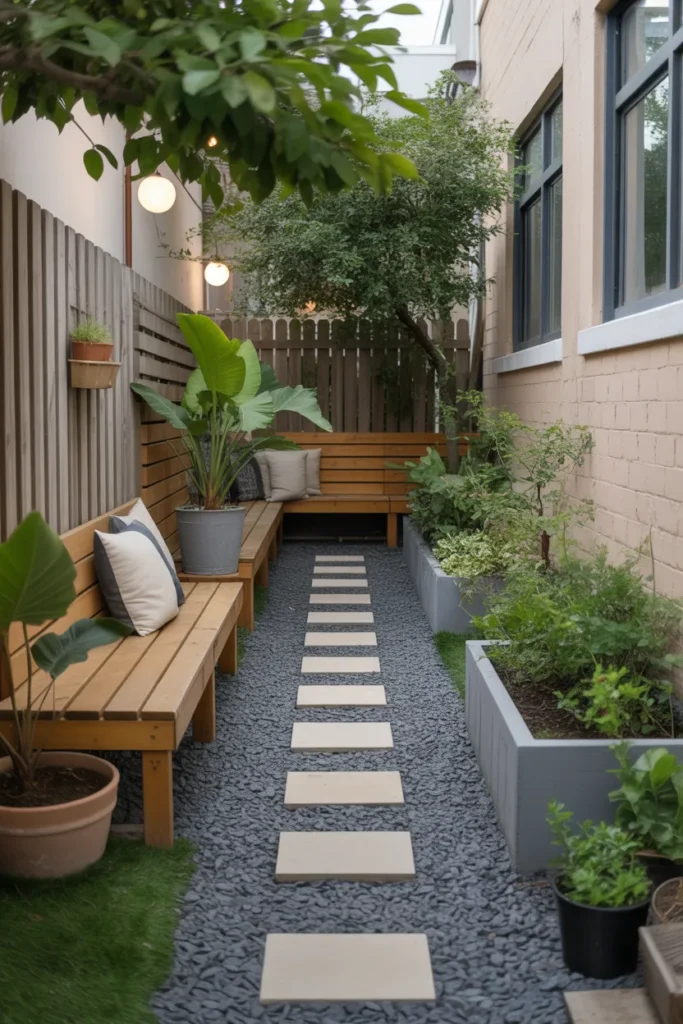
I like working with gravel pathways in narrow spaces because they create a sense of flow without feeling heavy. Stepping stones break up the texture and guide movement naturally. This combination keeps the garden functional while adding a relaxed, informal feel.
Placing a simple bench along one side turns the walkway into a usable space rather than just a passage. I usually add potted plants along fences to bring life upward. This layered approach helps a narrow garden feel purposeful and visually engaging from every angle.
6. Budget-Friendly Planters with Mixed Greens
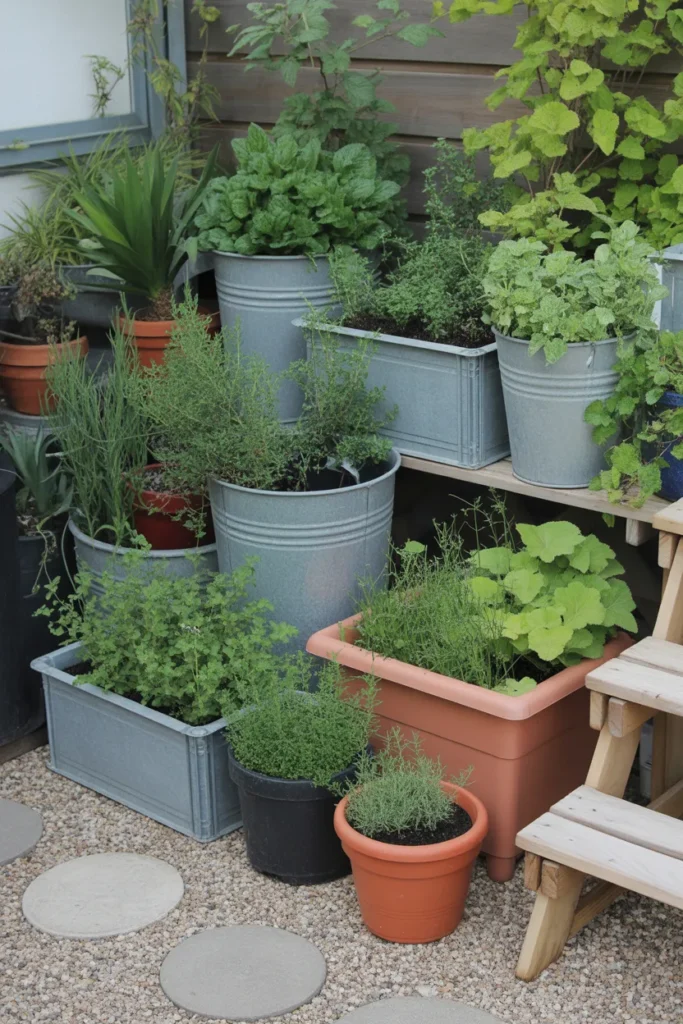
I often use a mix of planters to create flexibility in small gardens. Grouping different sizes together makes the space feel dynamic without needing expensive materials. It also allows easy rearranging as plants grow or seasons change, which keeps the garden fresh.
Choosing a variety of greens with subtle color differences adds visual interest without overwhelming the design. I find that even simple setups can feel vibrant when plants are healthy and well-placed. This approach keeps costs low while still achieving a lively and welcoming garden space.
7. Relaxing Backyard Lounge with Soft Textures
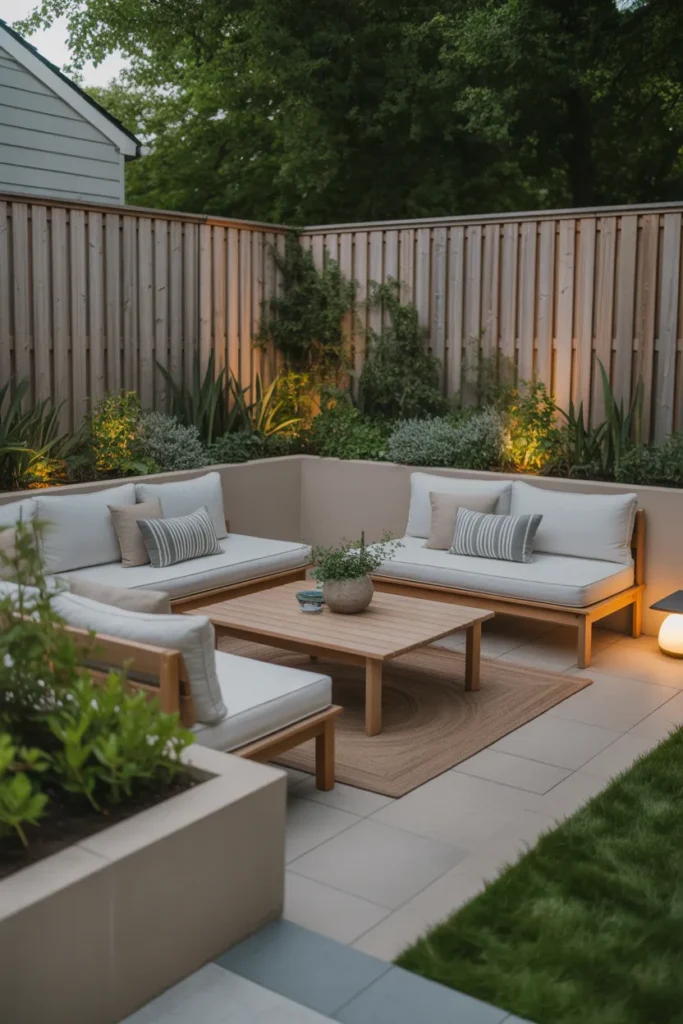
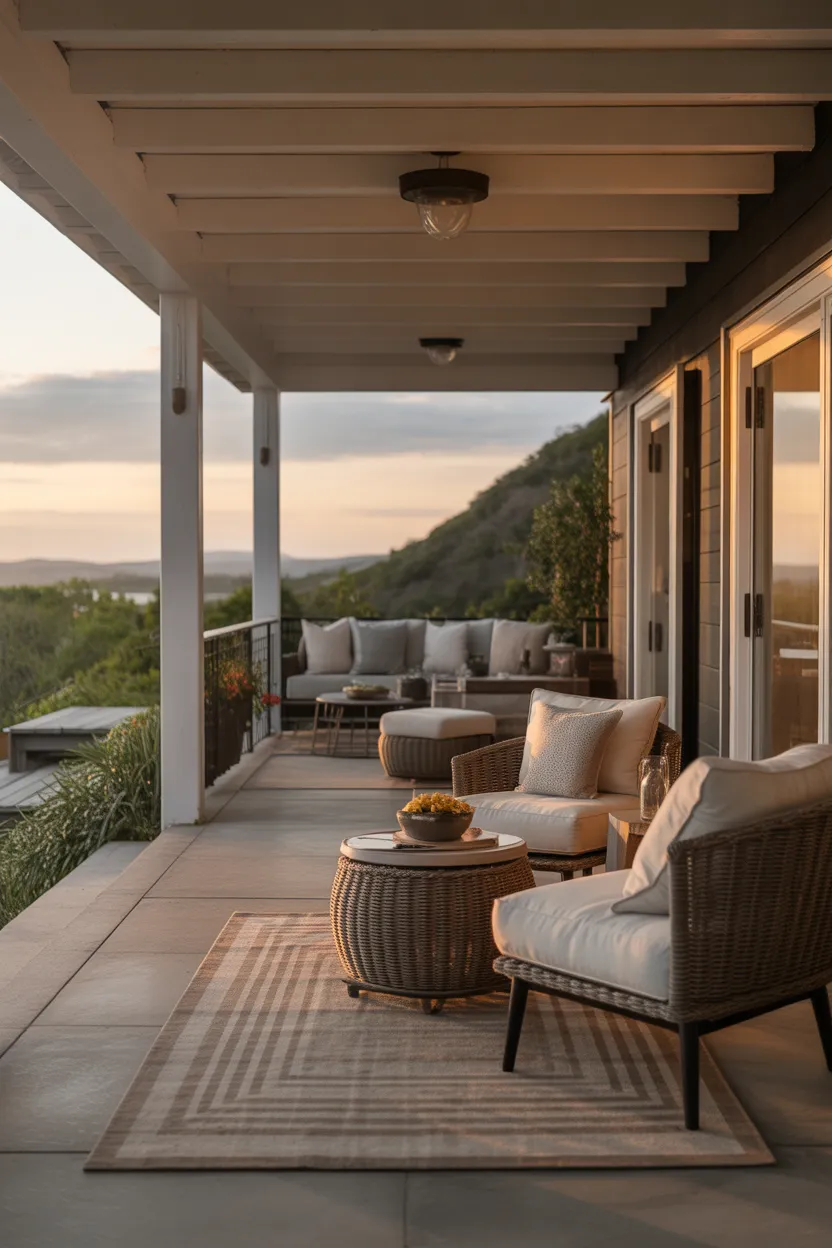
I enjoy creating relaxed backyard spaces that feel like an extension of the home. Comfortable seating is always the focus, surrounded by greenery that softens the structure. This combination makes the space feel calm and inviting without needing a large area.
Adding soft lighting helps transition the garden into evening use. I usually choose subtle fixtures that highlight plants and seating areas. The result is a cozy environment that encourages longer outdoor time while maintaining a simple and uncluttered layout.
8. Compact Patio with Vertical Greenery
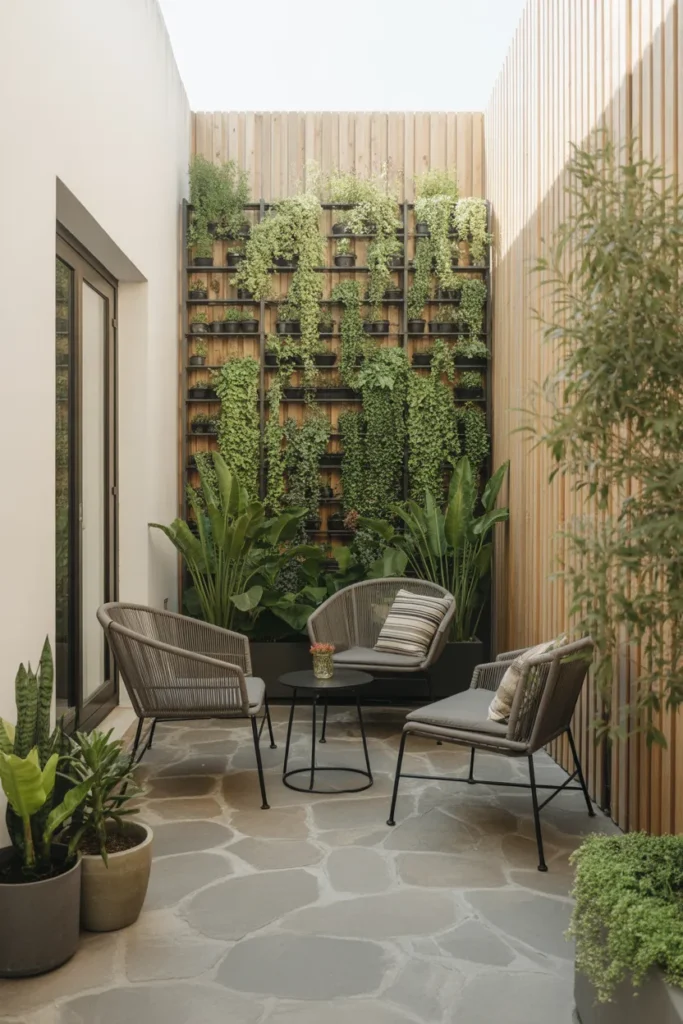
I like using vertical space to bring greenery into patios without sacrificing floor area. A plant wall adds instant impact and makes the space feel fuller and more vibrant. It also creates a natural backdrop that enhances the overall atmosphere.
Keeping furniture slim ensures the space remains functional and open. I usually stick to a few key pieces rather than overcrowding the area. This balance allows the patio to feel both practical and visually rich, even within a very limited footprint.
9. Low Maintenance Garden with Evergreen Plants
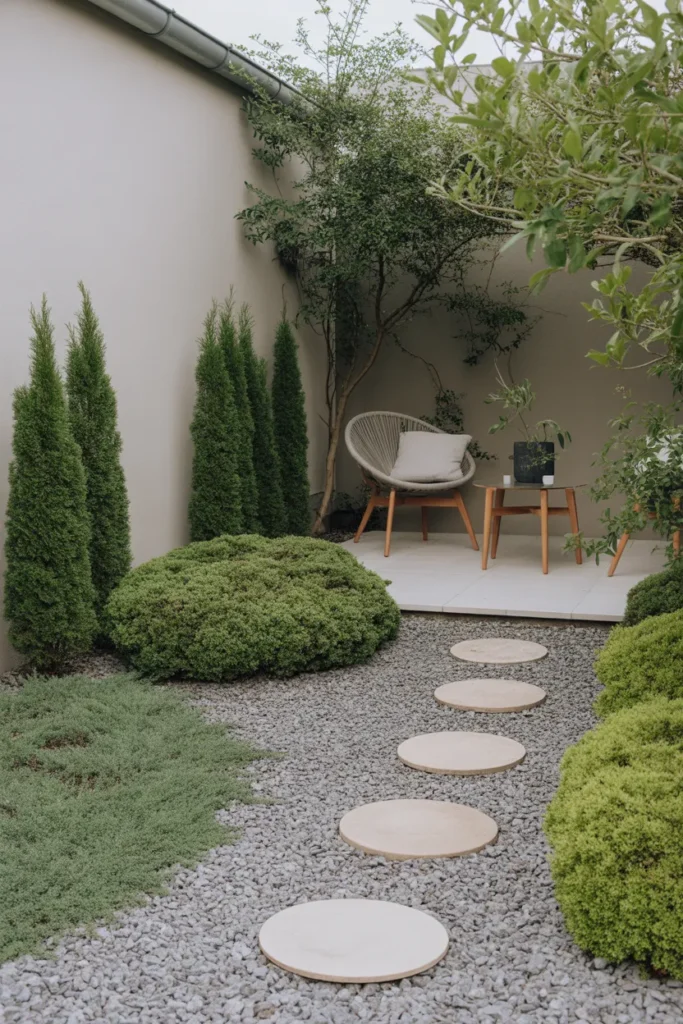
I prefer evergreen plants for low maintenance gardens because they provide consistent color throughout the year. This reduces the need for seasonal replanting while keeping the garden visually appealing. A simple layout helps make upkeep quick and manageable.
Gravel surfaces also cut down on maintenance while adding texture. I often combine it with stepping stones to create clear pathways. This setup results in a practical garden that still feels thoughtfully designed and pleasant to spend time in.
10. Everyday Simple Garden with Functional Layout
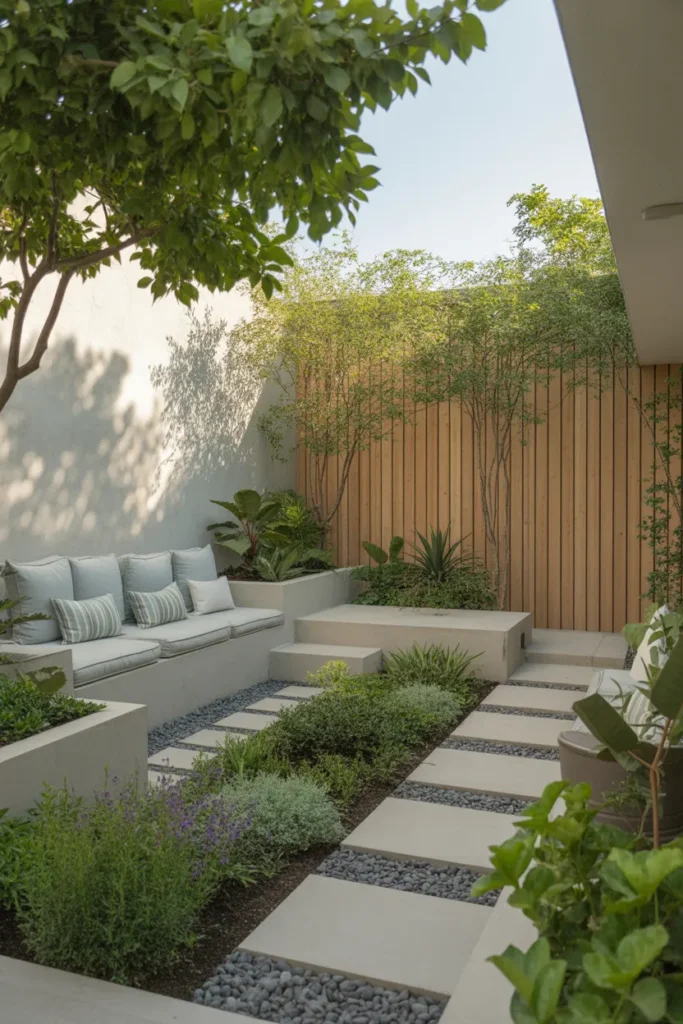
I focus on functionality when designing a garden for everyday use. Each element has a purpose, from seating to planting areas. This ensures the space is not only beautiful but also easy to live with on a daily basis.
Balancing open space with greenery helps prevent the garden from feeling cramped. I often leave small clear areas for flexibility. This approach creates a comfortable environment that adapts easily to different needs, whether relaxing or entertaining.
11. Budget Backyard with Simple Landscaping
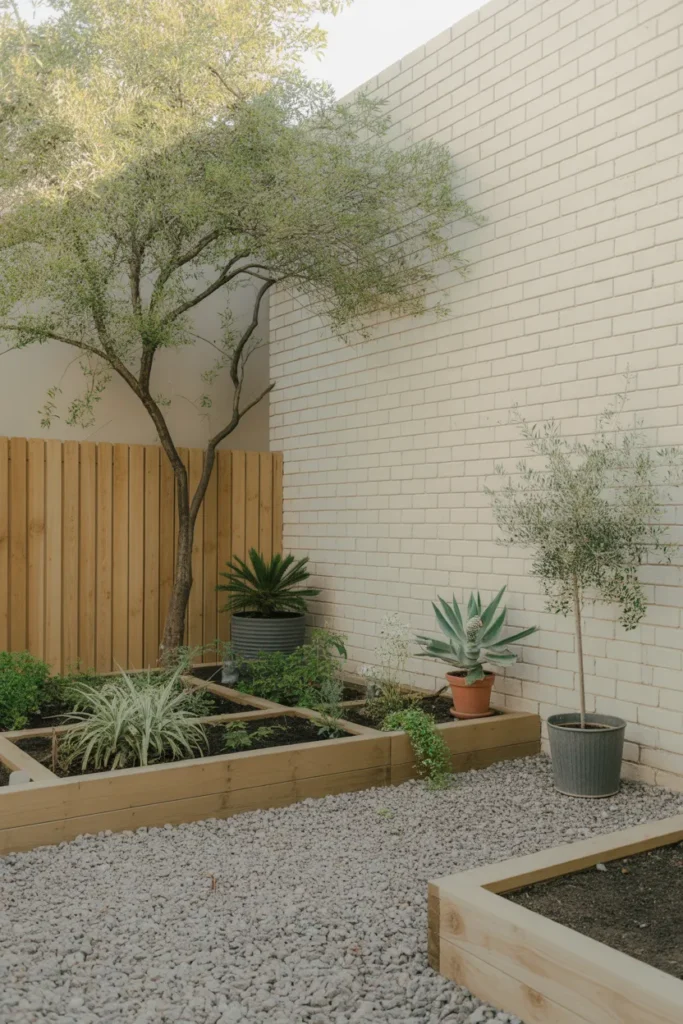
I find that simple landscaping can still look polished when arranged thoughtfully. Using basic materials like gravel and wood keeps costs down while providing structure. Even small details like neat borders make a noticeable difference.
Mixing a few plant varieties adds life without increasing complexity. I usually focus on hardy plants that thrive easily. This creates a garden that feels complete and welcoming without requiring a large investment or constant attention.
12. Small Vegetable Garden with Raised Rows
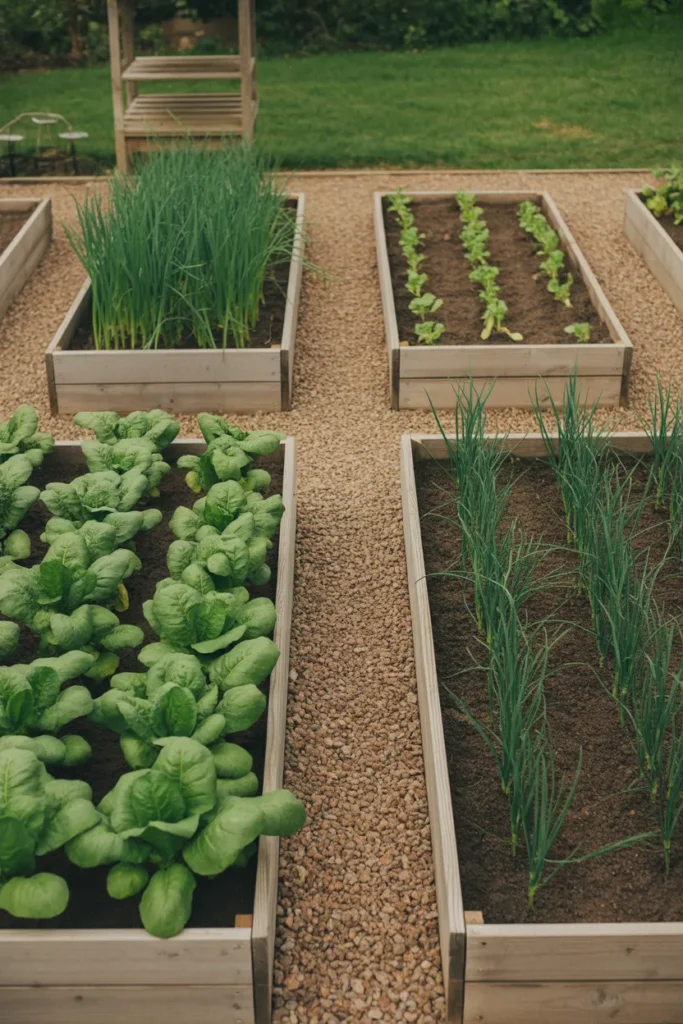
I enjoy creating structured vegetable gardens because they make planting and harvesting easier. Raised rows help keep everything organized and improve soil conditions. This setup works especially well in small spaces where efficiency matters.
Narrow pathways allow access without wasting space. I often grow a mix of vegetables to keep the garden visually interesting. This approach combines practicality with beauty, turning a functional space into something enjoyable to look at daily.
13. Practical Front Garden with Clean Edges
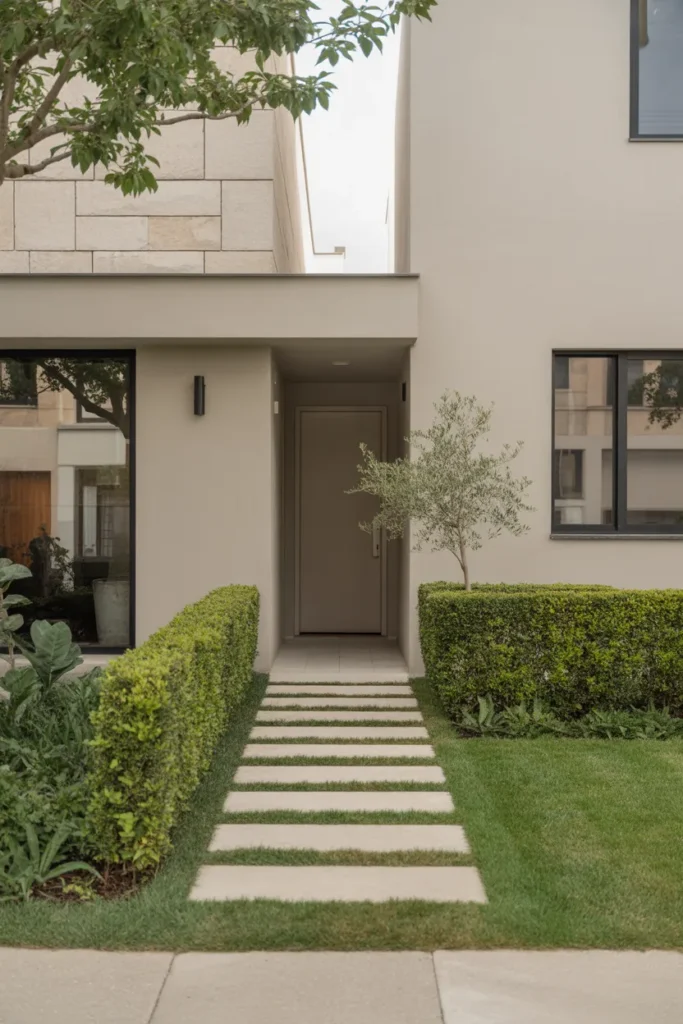
I like keeping front gardens clean and simple to maintain a polished appearance. Straight edges and trimmed hedges create structure without needing complex design elements. This makes the space easy to care for while still looking intentional.
Adding small planting beds brings softness to the layout. I usually choose plants that stay neat with minimal upkeep. This balance creates a front garden that feels welcoming without becoming time-consuming to manage.
14. Small Vegetable Space with Vertical Growing
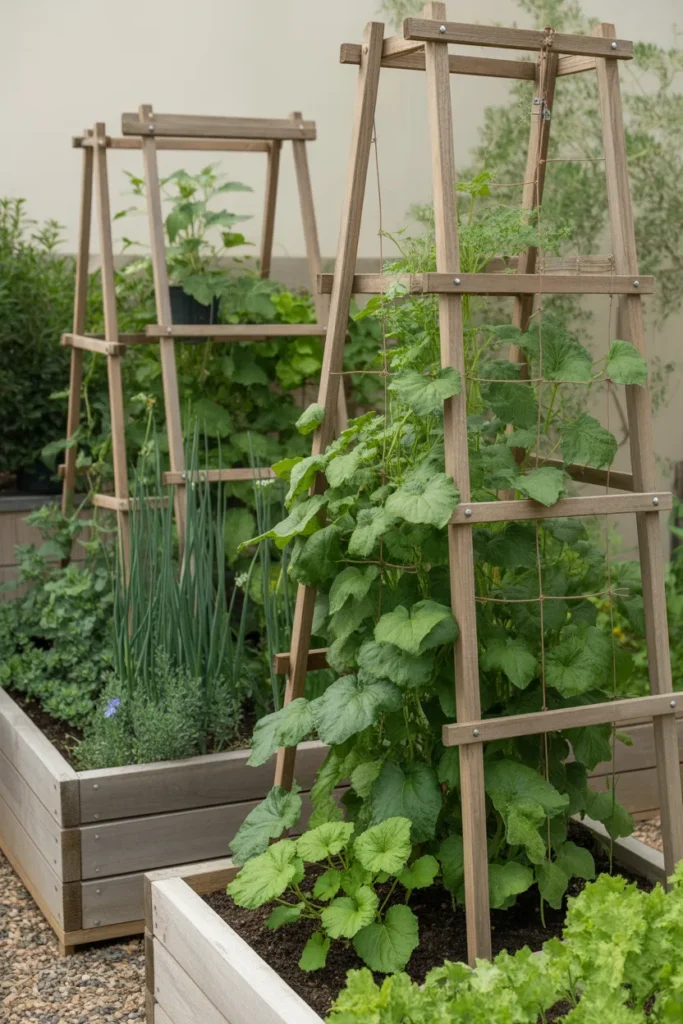
I often use vertical supports to grow vegetables upward instead of outward. This saves space and allows more variety in a small garden. Climbing plants also add visual height, making the space feel more dynamic.
Combining vertical and ground planting creates a layered look. I find this method both practical and visually appealing. It maximizes productivity while keeping the garden organized and easy to navigate.
15. Modern Garden Design with Balanced Layout
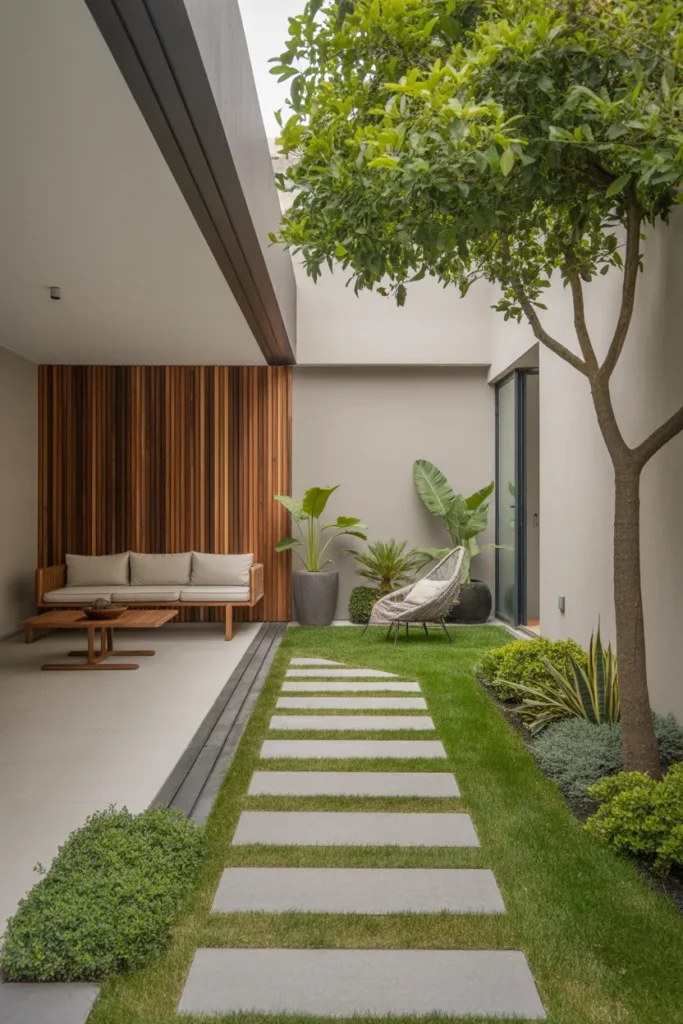
I enjoy balancing materials like stone and wood to create a modern feel. Clean lines keep the design simple while allowing plants to add softness. This contrast makes the space feel both stylish and comfortable.
Careful placement of each element ensures the garden doesn’t feel crowded. I usually leave breathing space between features. This creates a calm and harmonious environment that feels thoughtfully designed without being overly complex.
16. DIY Garden with Creative Details
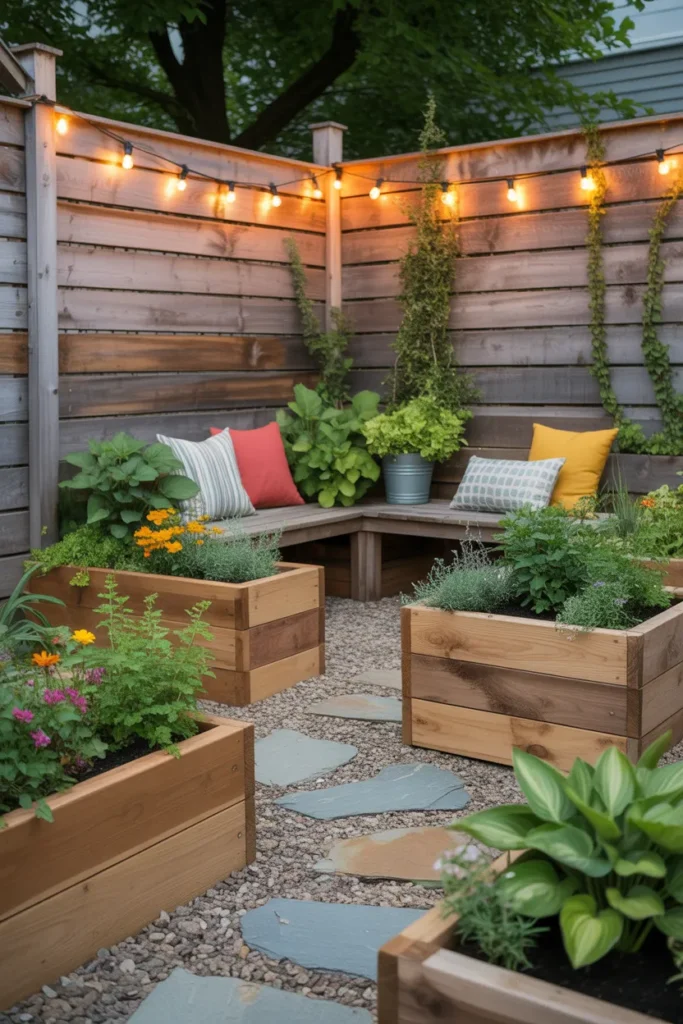
I like adding DIY elements because they bring personality into the garden. Handmade planters and simple seating can transform the space into something unique. These details make the garden feel more connected to everyday living.
Using affordable materials keeps the project accessible. I often experiment with layouts to find what works best. This approach encourages creativity while still maintaining a functional and enjoyable outdoor space.
17. Family-Friendly Garden with Open Space
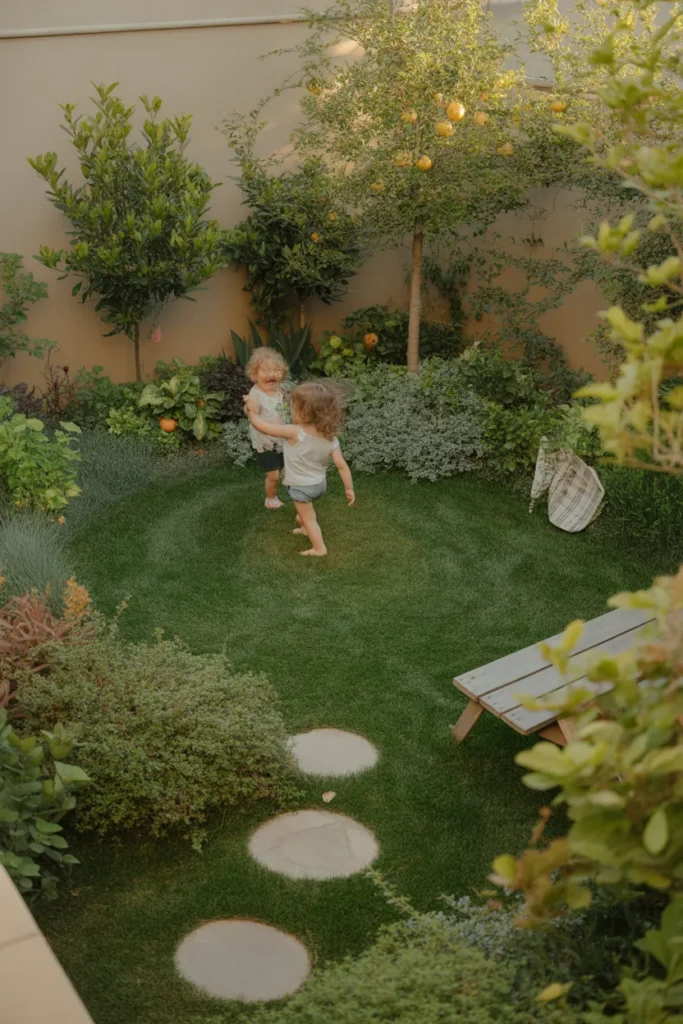
I focus on keeping a clear open space in family-friendly gardens. This allows room for movement while plants frame the edges. The layout feels balanced and practical for different activities throughout the day.
Soft surfaces make the space safer and more comfortable. I usually combine greenery with minimal furniture to avoid clutter. This creates a garden that supports both relaxation and active use without feeling restricted.
18. Backyard Design with Layered Greenery
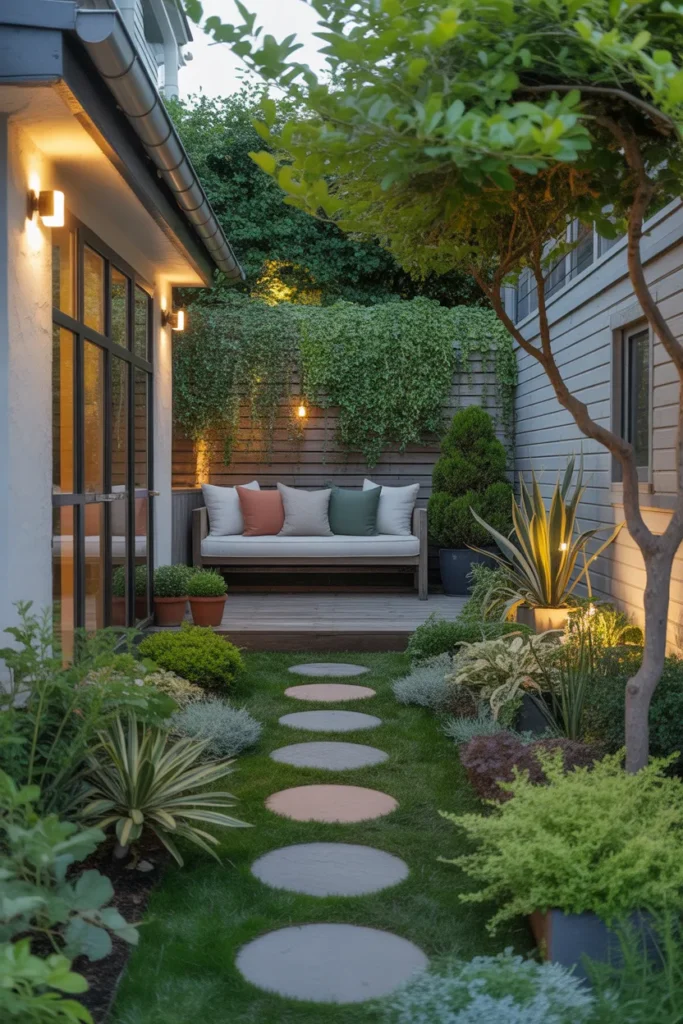
I enjoy layering plants to create depth in a small backyard. Combining different heights makes the space feel fuller and more immersive. This approach adds richness without requiring a larger area.
Including a simple seating area allows the garden to be enjoyed up close. I often place it where greenery surrounds it naturally. This creates a peaceful environment that feels connected to nature while remaining practical and easy to maintain.
19. Bright Flower Borders with Compact Layout
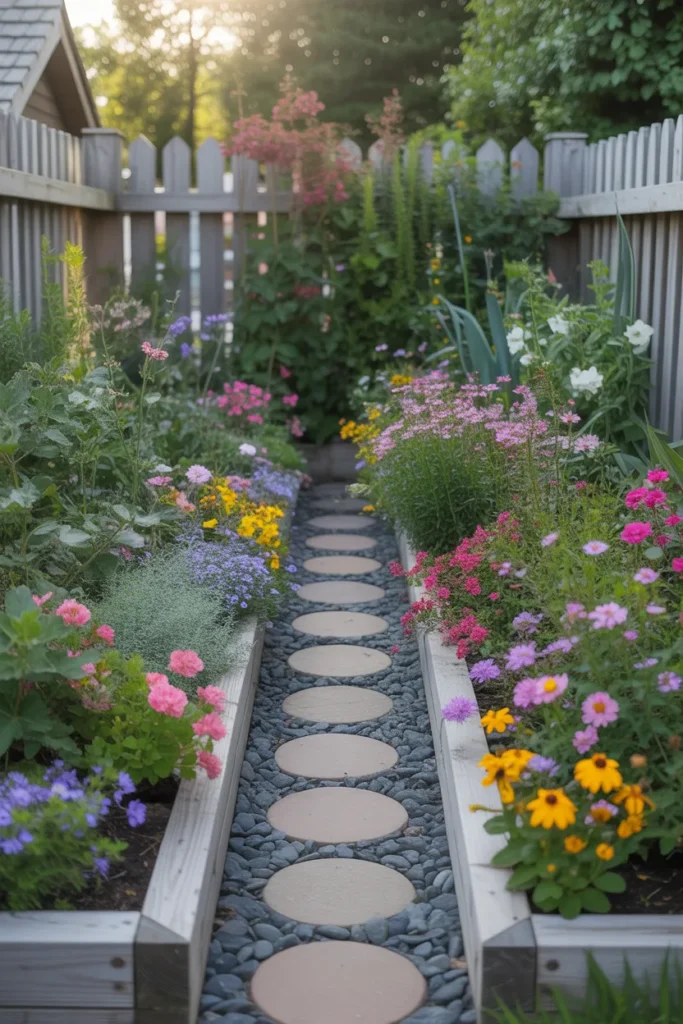
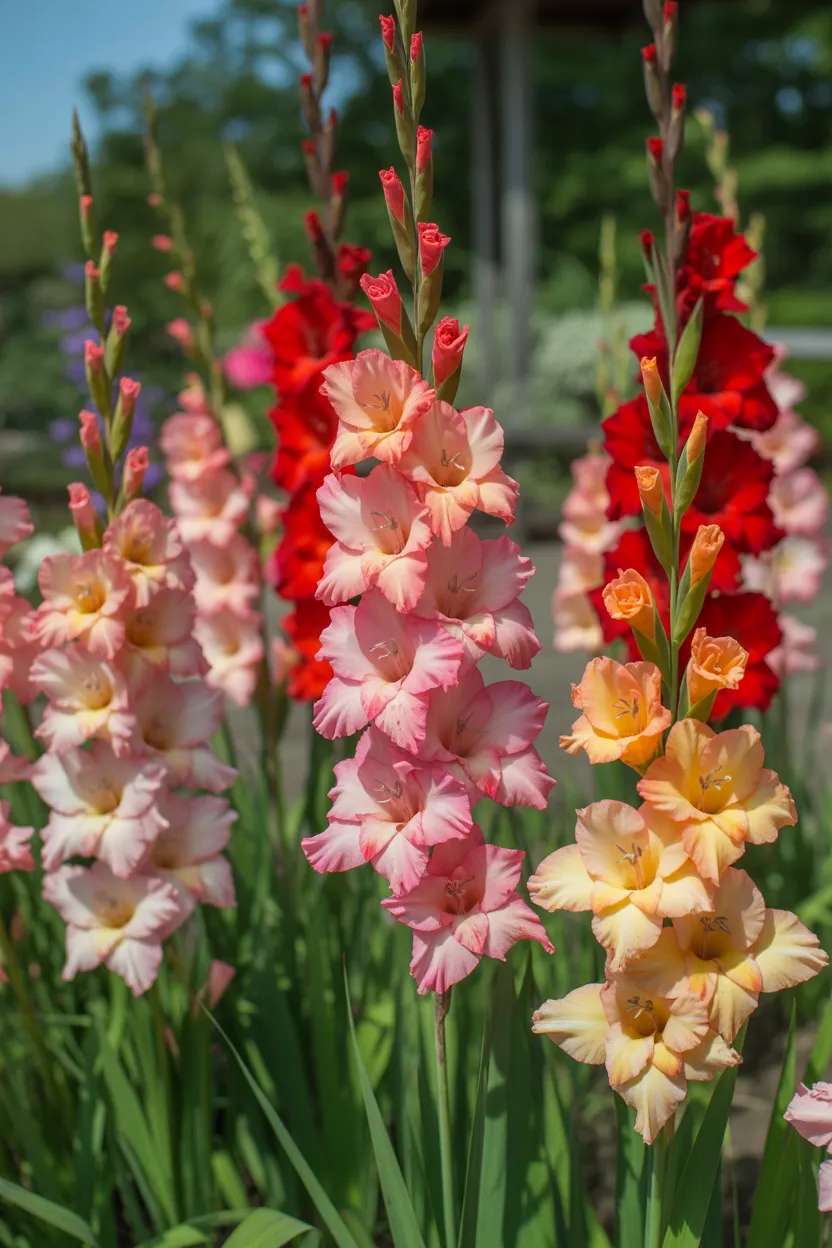
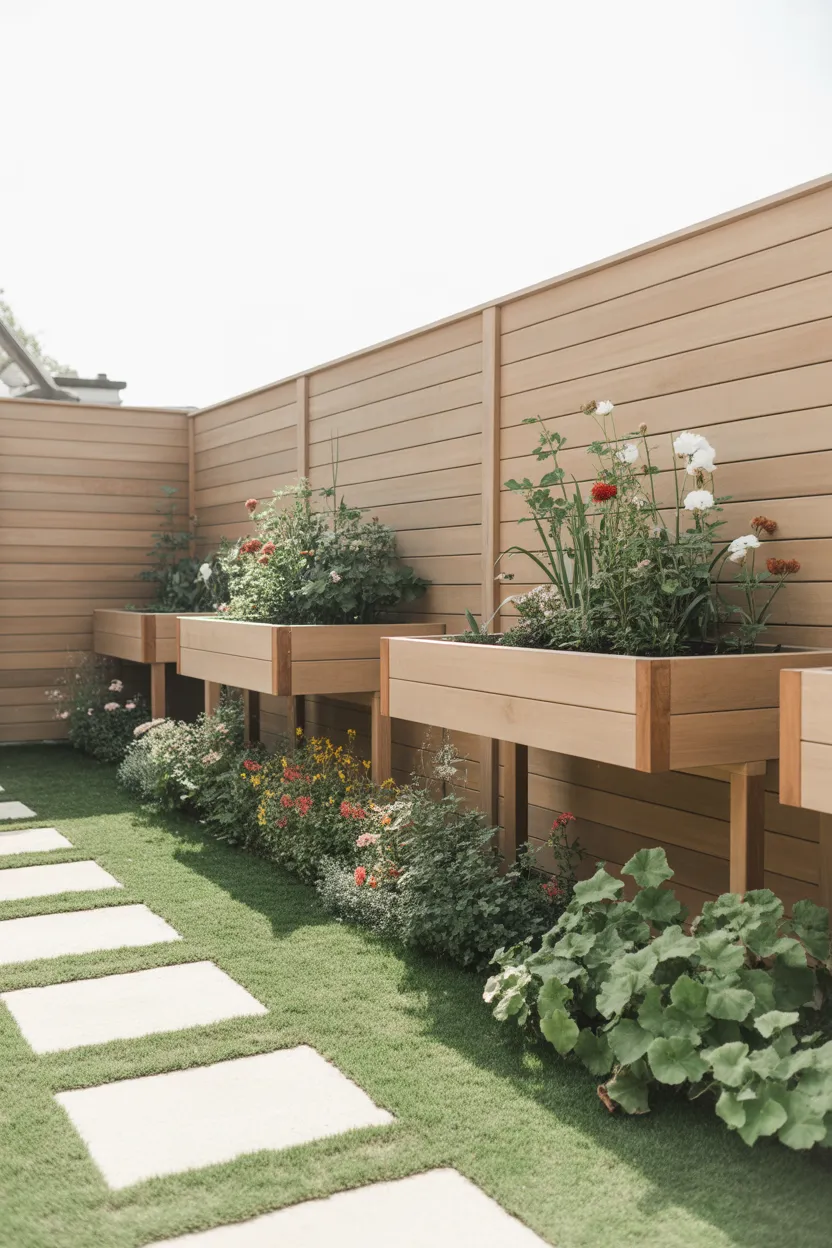
I love using colorful flower borders to instantly brighten a small garden without changing its structure. Placing blooms along the edges keeps the center open while still adding visual richness. A simple path running through the middle creates balance and allows easy movement, making the garden feel more spacious and organized.
Mixing different flower heights brings a natural layered effect that feels lively but not chaotic. I usually combine soft pastels with brighter tones for contrast. This approach keeps the garden feeling fresh throughout the seasons while maintaining a clean and approachable layout.
20. Simple Wooden Deck with Potted Greenery
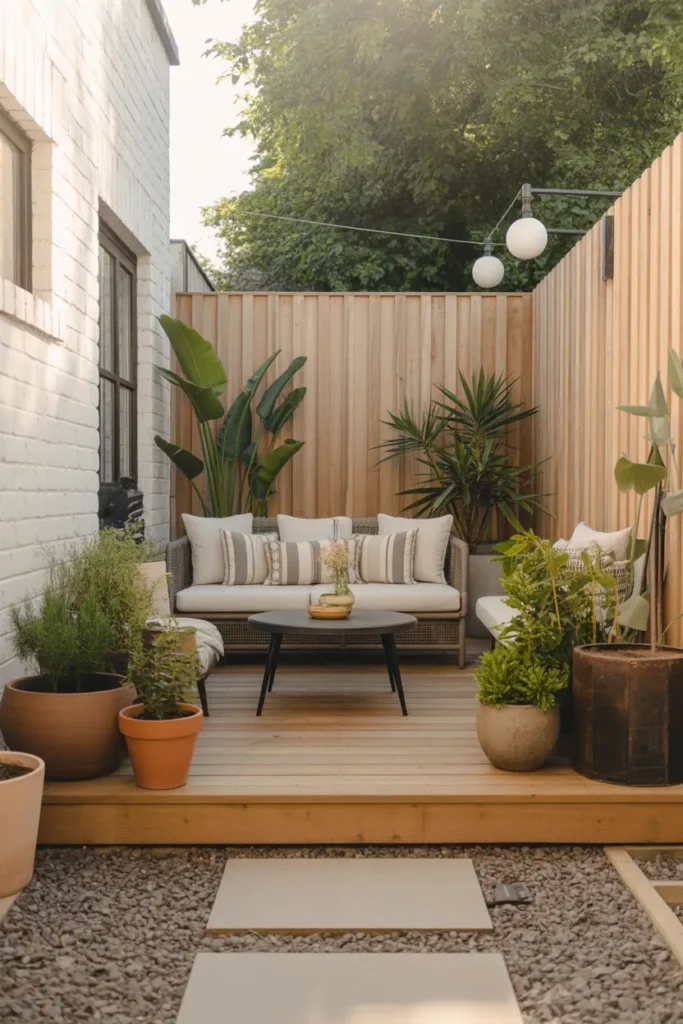
I often use a small wooden deck to define a relaxing zone in the garden. It separates the seating area from planting spaces without needing walls or barriers. This creates a clear purpose for the space while keeping the overall layout open and inviting.
Adding potted greenery around the deck softens the edges and makes the area feel more connected to nature. I like mixing pot styles for a casual look. This setup is easy to adjust over time, which makes it perfect for evolving garden designs.
21. Narrow Side Yard Garden Transformation
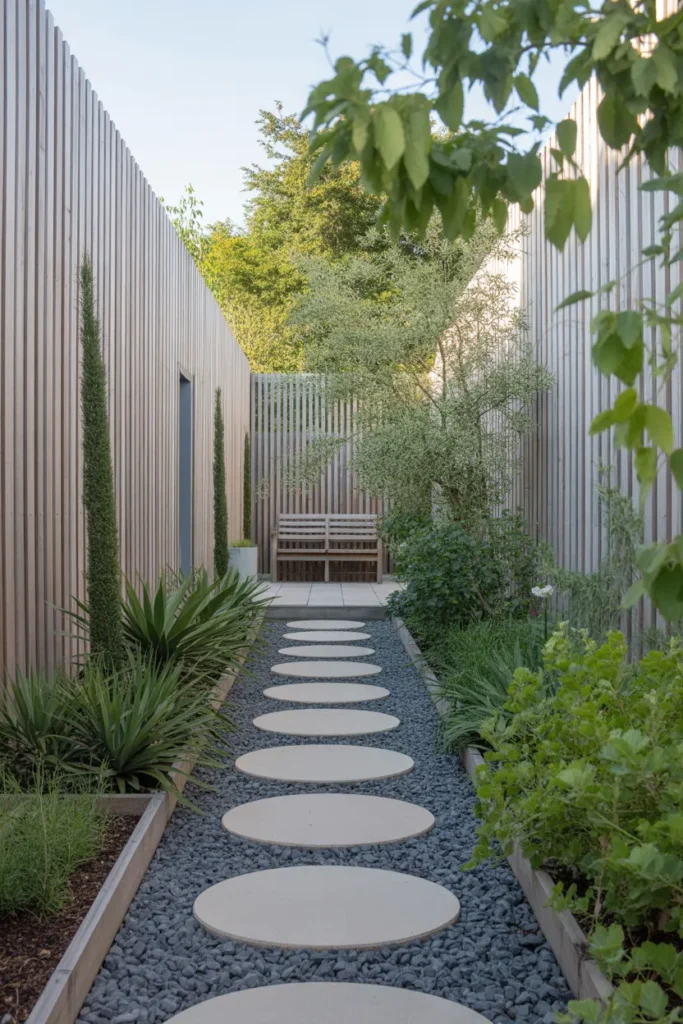
I find narrow side yards full of potential when designed with intention. A stepping stone path helps guide movement while gravel keeps the look light and low maintenance. This combination creates a clean and modern feel without overcrowding the space.
Placing a bench at the end gives the layout a focal point and purpose. I usually add taller plants along the edges to create privacy and height. This transforms a forgotten passage into a functional and visually appealing garden area.
22. Small Patio Garden with Soft Lighting
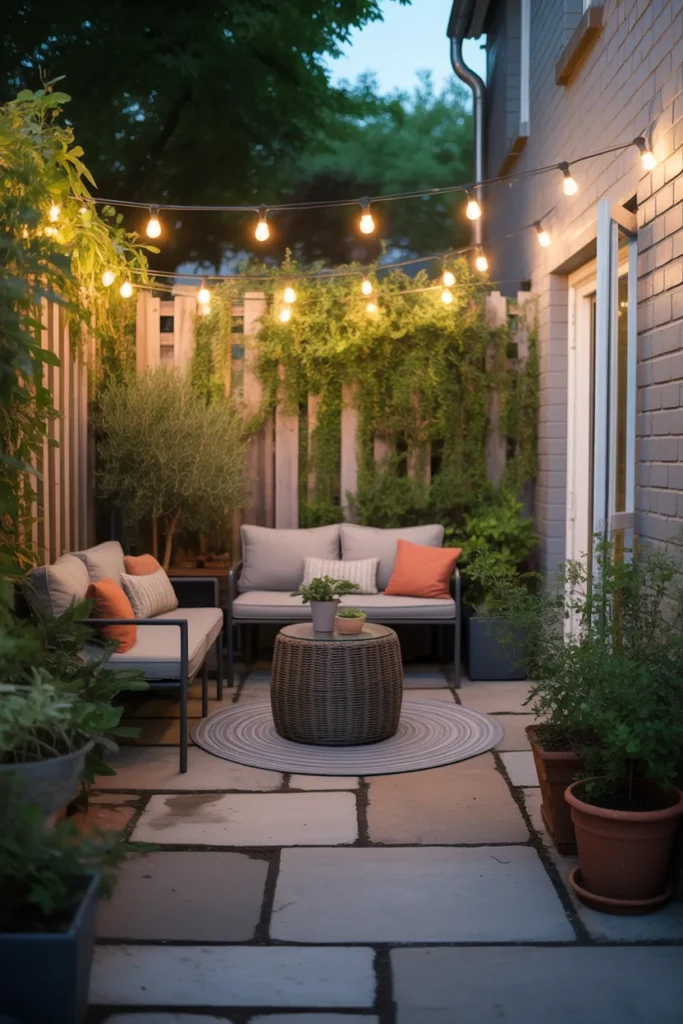
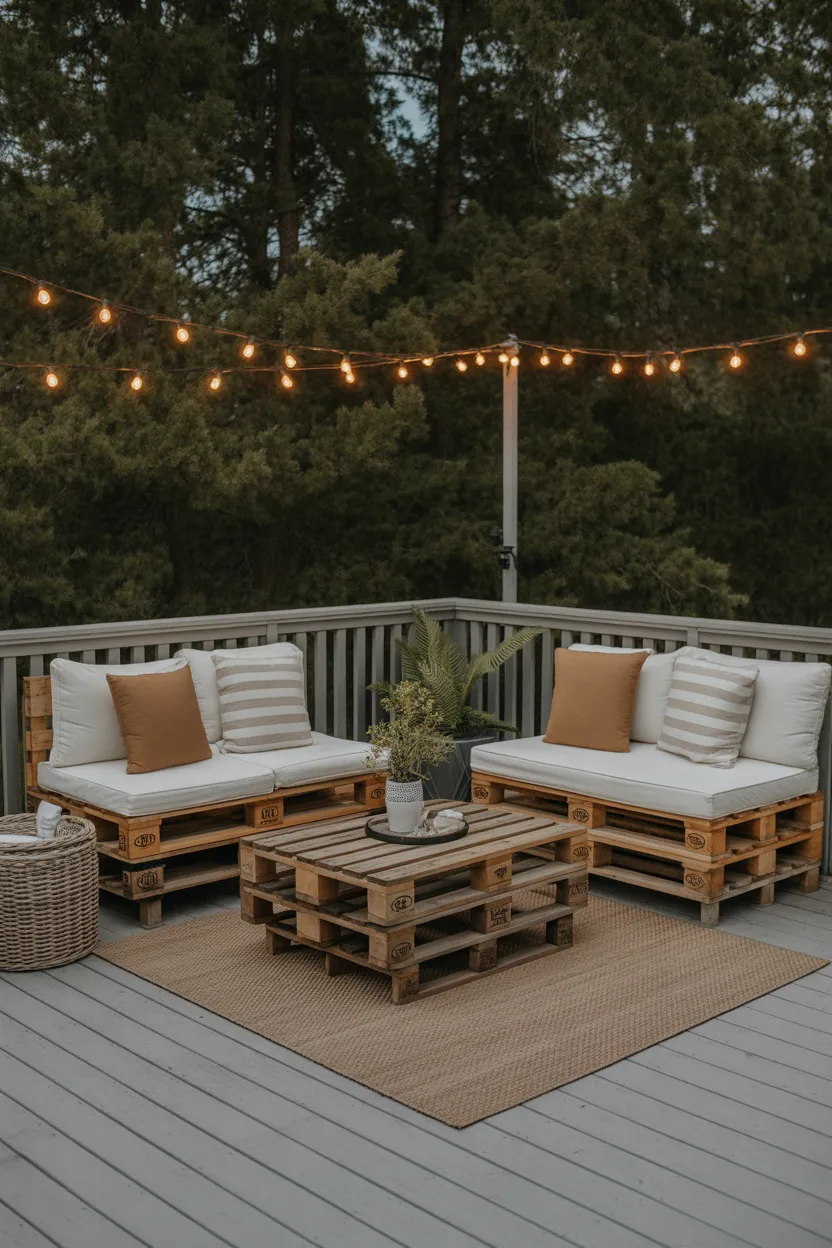
I like using soft lighting to completely change the mood of a small patio. String lights overhead create a warm glow that makes the space feel inviting in the evening. Even simple seating becomes more comfortable when the atmosphere is right.
Surrounding the patio with plants adds a sense of enclosure without making it feel tight. I usually keep the layout minimal to maintain openness. This balance creates a relaxing outdoor space that works both day and night.
23. Easy Care Garden with Mixed Textures
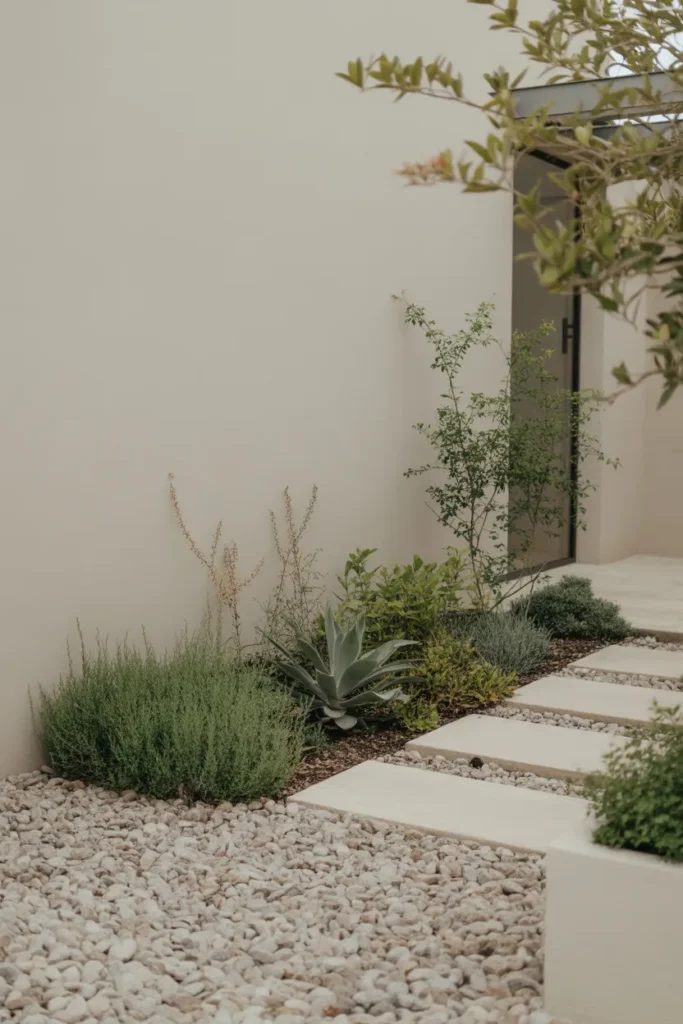
I enjoy combining different textures to add interest without increasing maintenance. Gravel and stone work well together and provide a clean base for planting. This approach keeps the garden looking detailed while staying practical.
Choosing hardy plants ensures the space remains attractive with minimal effort. I often focus on subtle variations in leaf shape and color. This creates a calm and cohesive design that feels complete without requiring constant upkeep.
24. Compact Backyard with Built-In Seating
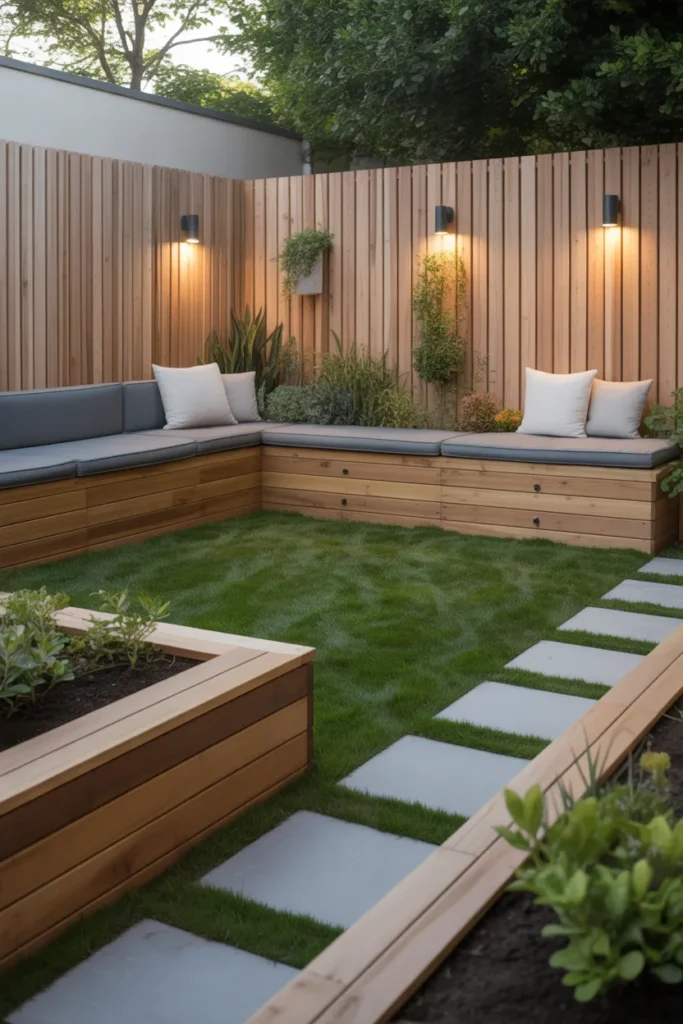
I like built-in seating because it saves space and keeps the layout streamlined. Placing benches along the edges leaves the center open, making the garden feel larger. This approach works especially well in compact backyards.
Adding greenery behind or beside the seating softens the structure. I often use raised planters to keep everything organized. This creates a comfortable and functional space that blends relaxation with simple garden design.
25. Fresh Green Lawn with Framed Borders
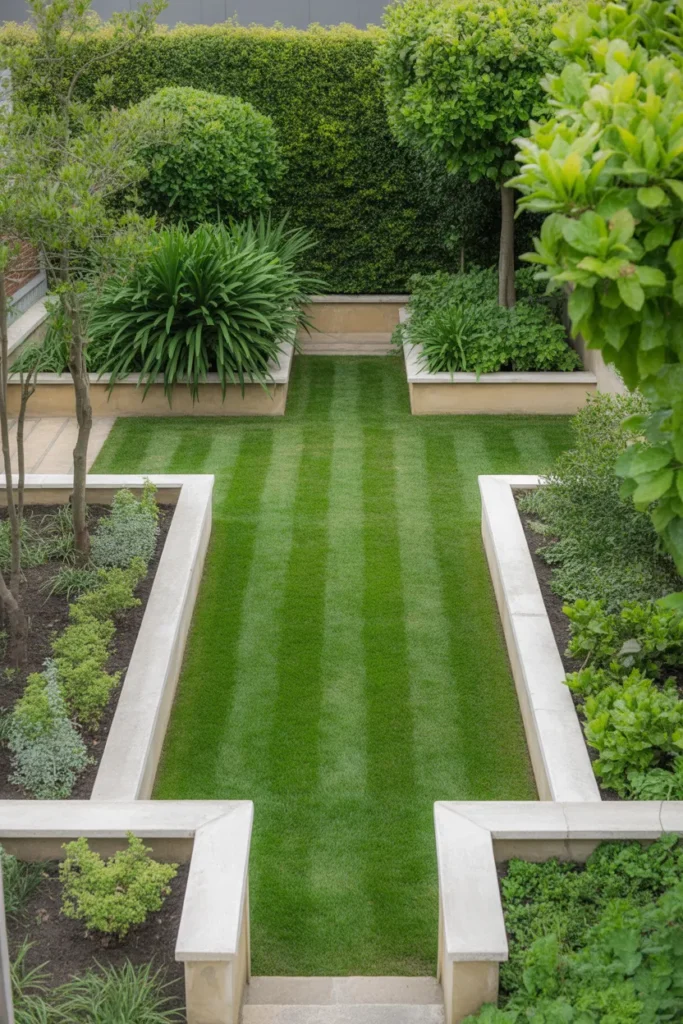
I find that even a small patch of lawn can make a garden feel open and refreshing. Framing it with planted borders keeps the design structured while adding softness around the edges. This balance creates a timeless and easy-to-maintain layout.
Using low hedges helps define the space without blocking views. I usually keep the planting simple to maintain clarity. This approach makes the garden feel calm and organized while still offering a touch of natural vibrancy.
26. Colorful Container Garden Arrangement
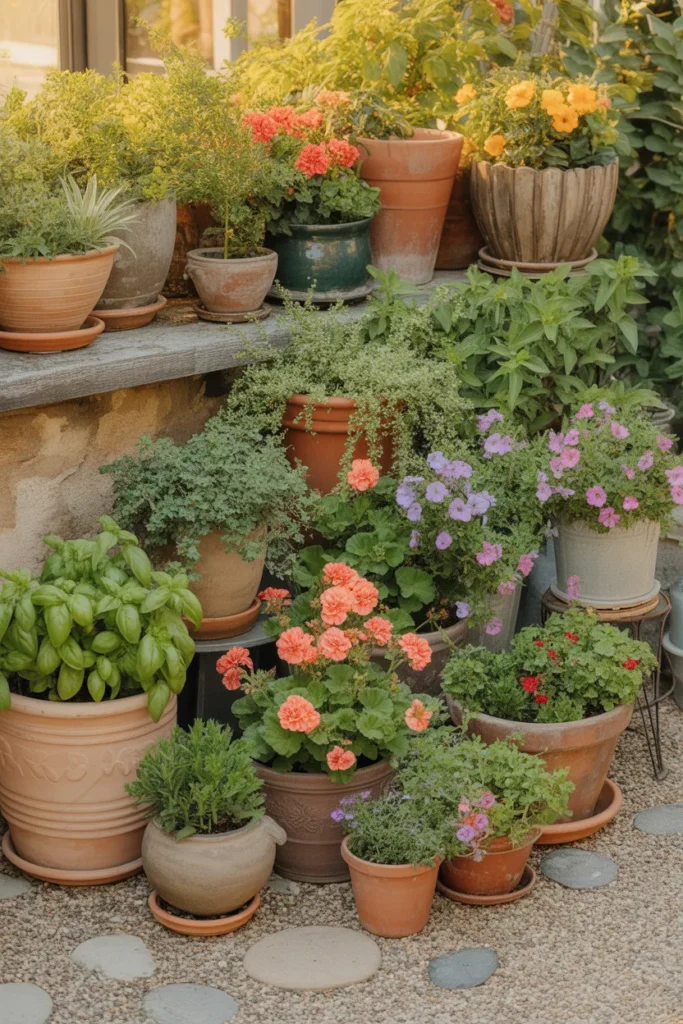
I enjoy using containers to bring flexibility and color into small gardens. Grouping pots together creates focal points that can be easily changed throughout the year. This keeps the space dynamic and visually engaging.
Choosing a variety of plant colors adds personality without overwhelming the layout. I often rearrange containers to refresh the design. This approach allows for creativity while keeping the garden adaptable and easy to manage.
27. Relaxed Backyard with Natural Planting Style
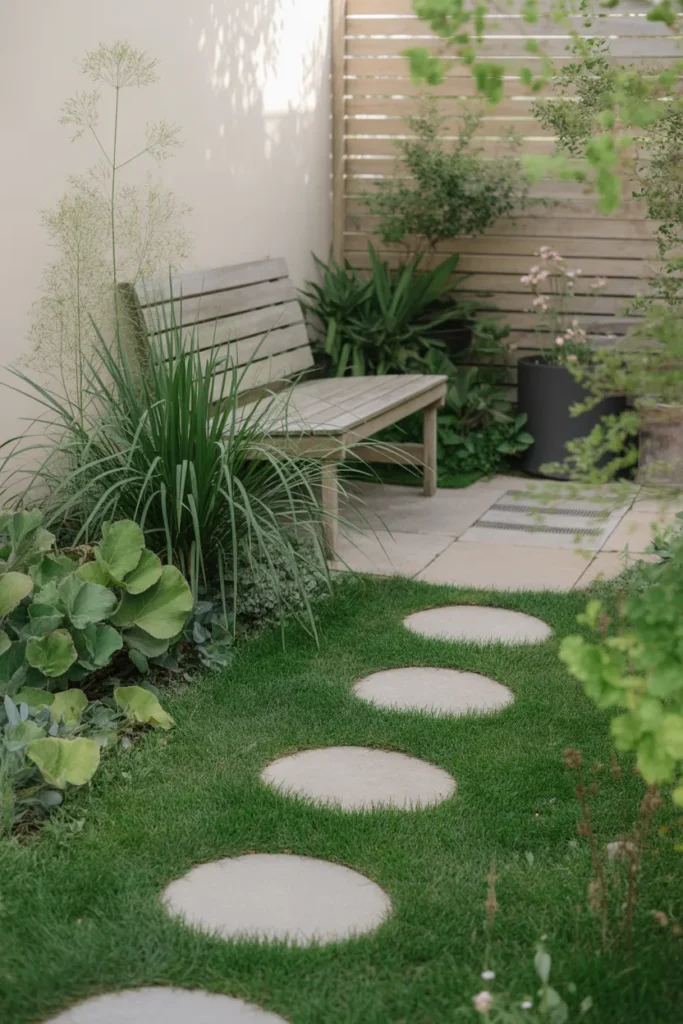
I like a more relaxed planting style for a natural and effortless look. Mixing grasses with leafy plants creates movement and softness throughout the space. This makes the garden feel calm and less structured.
Adding a simple path and seating area keeps the design functional. I usually let plants grow more freely to enhance the organic feel. This approach creates a peaceful outdoor space that feels connected to nature without strict design rules.